

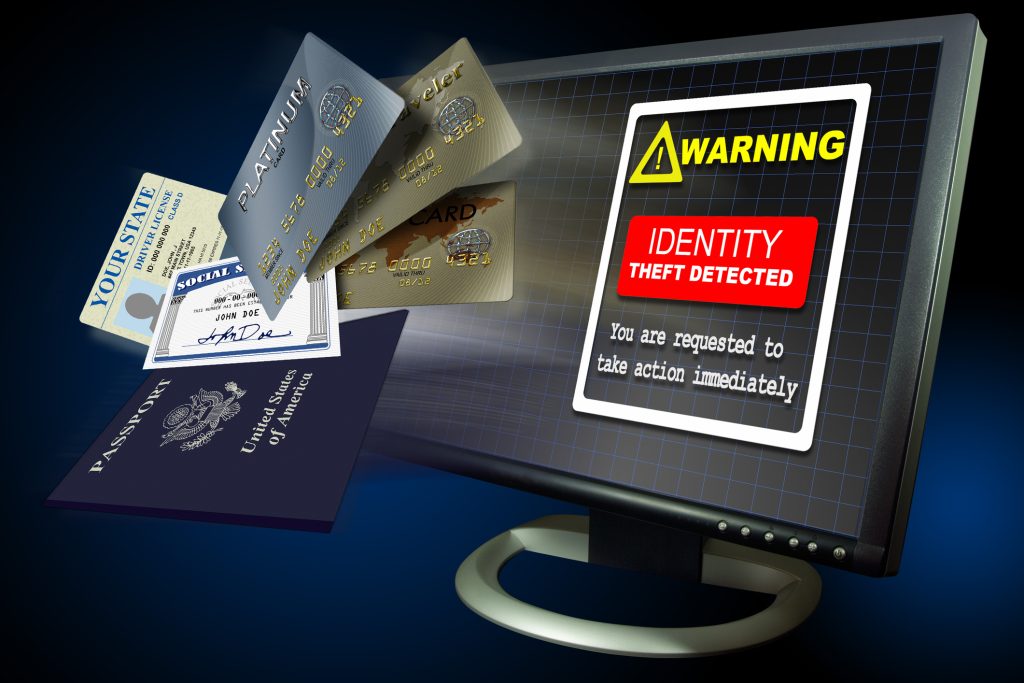
Fraud and identity theft remain constant threats to American consumers, including bank account theft, check fraud, and stolen credit cards. According to the Treasury department, fraud and identity theft reports have tripled in the past five years, affecting millions of Americans. Email and phone remain the two most common ways fraud can occur, though with technology becoming more advanced, scammers have more tools than ever to conduct identity theft.
While it is important to prevent fraud before it happens, such as recognizing common phishing scams and securing personal information, fraud can still occur despite our best efforts. This makes it crucial to monitor your accounts regularly to detect suspicious activity as soon as possible. Remember, no bank or credit card company will ask you for your PIN, account number, or online banking credentials over the phone.
With Identity Theft Awareness Week starting on January 26th, it is the perfect time to brush up on how to proactively monitor and protect yourself from fraud-related losses. So, what can you do if you suspect you are a victim of identity theft?
- Freeze or Cancel Compromised Accounts
Review bank statements and credit reports to see which accounts were compromised and call those companies to freeze or cancel the account to prevent further fraud (and cancel any new accounts that were not opened/authorized by you). Immediate/timely notification is crucial to protect your finances and further assist with the potential recovery of fraud-related losses.
- Call the Credit Reporting Agencies
Call all three credit reporting agencies – Equifax, TransUnion and Experian – to request a credit freeze and fraud alert. This can help prevent new accounts from being opened under your name and require businesses to verify your identity before granting new credit.
- Change Your Passwords
Consider changing the passwords and login information for all your important accounts. Make sure to enable two-factor authentication wherever possible, which can provide extra security by requiring additional credentials upon login. You can also use a password manager to generate secure passwords without having to memorize all of them. Never use the same password for multiple accounts.
- Report to the Federal Trade Commission
An additional measure you can take is to report the identity theft to the Federal Trade Commission (FTC) at IdentityTheft.gov to generate a customized recovery plan which will guide you on any next steps you should take. The FTC gives advice on how to handle more than 30 different types of identity theft.
Identity theft can happen to anyone but knowing what to do in this situation can help minimize the damage and losses that can result from it. This upcoming Identity Theft Awareness Week start to develop routine habits for monitoring your identity throughout the year. For 2026, experts recommend a multi-layered approach involving digital alerts, frequent statement reviews and strategic credit monitoring. Another proactive layer of protection, where available, is to lock and unlock your credit and debit cards at time of use, thus lowering the risk of fraudulent transactions should the card(s) become compromised.